

Ahead 2027 Polls: Cleric cautions against religious campaigns
By Ibrahim Kado
Sheik Muhammad Khalid, an Islamic cleric, has condemned the use of religion for political campaigns as the 2027 General Elections draw nearer.
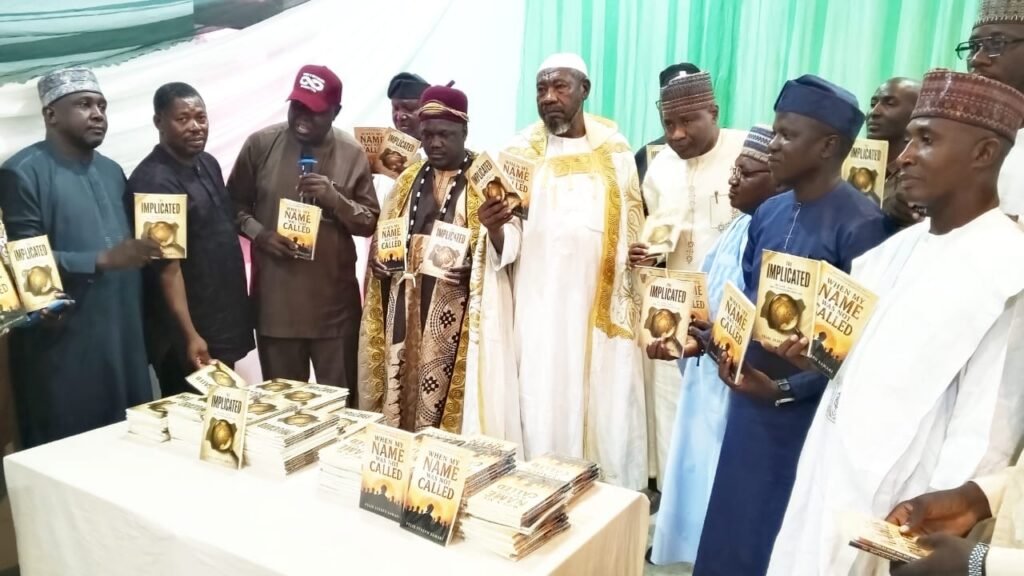
Khalid, popularly known as Digital Imam, made the call on Saturday at the public presentation of two books in Yola.
The books, written by Felix Samari, are titled ‘The Implicated’ and ‘When My Name Was Not Called’.
The presentation had the theme: ‘Religion, Identity, Belonging and Future of an Inclusive Nigerian’.
Khalid said politicians should not exploit religion during campaigns, stressing that doing so violated electoral laws and undermined national development.
“It’s bad for us to use religion for campaigns because, if we are to use religion, we are becoming lawless according to the law,” he said.
The cleric said adherence to electoral laws was essential to establishing ethical governance and ensuring that political campaigns produced responsible leadership.
“I am talking about Article 101 of the Electoral Act; we have to be a lawful society before we establish ethical governance,” he said.
Khalid added that unethical political campaigns could not produce ethical governance, warning that the consequences would ultimately affect the quality of leadership.
“When our campaigns are not ethical, we cannot produce ethical governance, and without ethical governance, we can’t have good governance,” he said.
He urged Nigerians to stop portraying religion negatively or using it to deceive themselves and divert attention from issues affecting national development.
The cleric said religion was often being presented from the wrong perspective, stressing the need for Nigerians to change such narratives.
He commended Samari for writing the books, describing their messages as important contributions towards shaping Nigerians’ understanding of inclusion and responsible citizenship.
Khalid said the publications would help readers appreciate the importance of building a Nigeria where citizens could coexist despite differences.
The reviewers, Dr Adamu Babikkoi and Johnson Madi, said the author’s personal experiences conveyed important messages about human dignity and inclusion.
They said human dignity should not depend on ethnicity, religion, gender or other social identities.
The reviewers also advised Samari to broaden the scope of subsequent editions by addressing regional issues and perspectives.
They further encouraged him to include perspectives of people who did not identify with particular religious or gender classifications.
Samari, the author, said the books were written to promote peace, religious tolerance and a broader understanding of inclusion in Nigeria.
He said the publications sought to contribute to a more inclusive national narrative by encouraging Nigerians to look beyond religious, ethnic and other differences.
Samari assured the audience that he would incorporate the suggestions and recommendations made by the reviewers in subsequent editions.
He said the improvements would strengthen the books’ contribution to promoting peaceful coexistence, tolerance and a better Nigeria.


