

Free Drinks and Gambling Behaviour Link: What Aussie Players Should Know
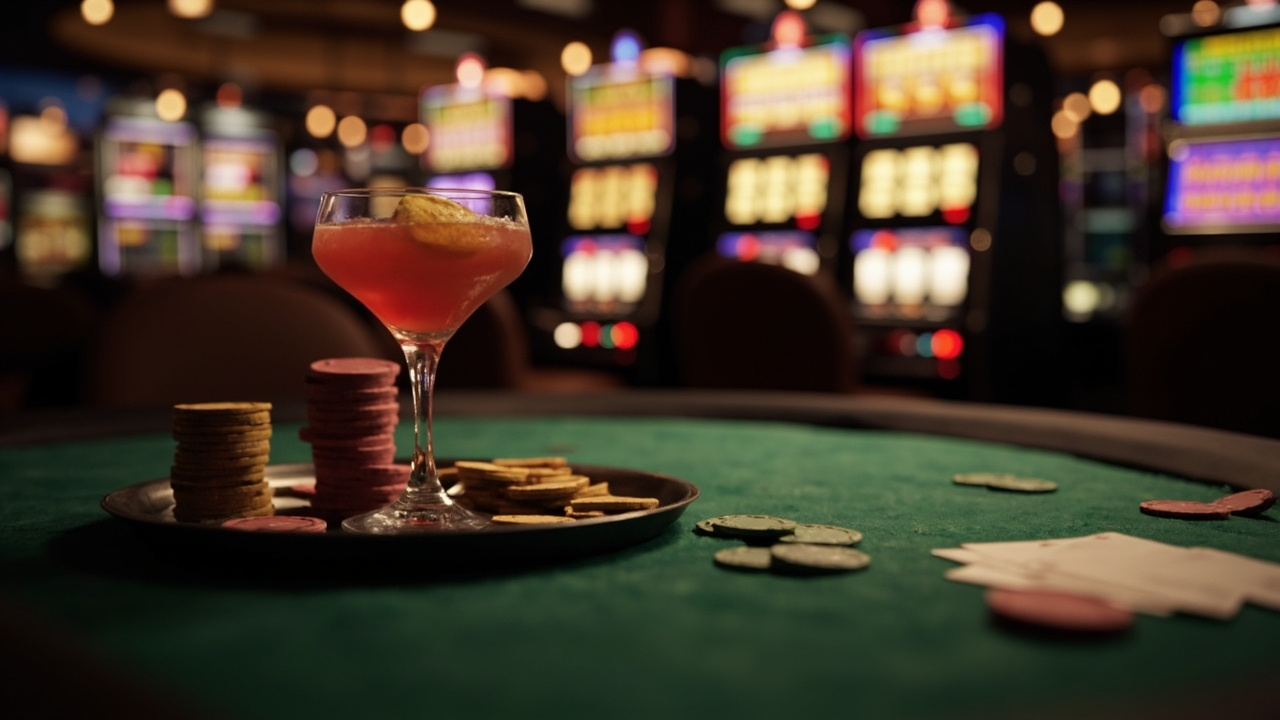
The connection between free drinks and gambling behaviour link is something operators study closely, and players notice it the moment they settle into a lounge. A chilled glass of something turns a quiet session into a longer one, and that rhythm changes how people read odds, pace their bets, and decide when to walk away. Below, I set out three player-fit scenarios that show where the dynamic matters most and where it barely registers at all.
Game Catalog and Lobby Fit
A broad lobby with a clean search bar and provider filters makes it easier to find a slot or table game before the atmosphere starts pulling your attention sideways. When the mix leans on a sensible spread of video slots, a handful of classic fruit titles, and a few live tables, players can settle into a pace that suits their bankroll instead of chasing whatever screen flashes brightest. Game discovery works best when the lobby groups titles by volatility and theme rather than burying everything under a single endless scroll, because that structure helps people choose deliberately before the room’s social buzz starts nudging them toward faster play.
Operator-Scale and Compliance Fit
From an operator standpoint, the free drinks and gambling behaviour link sits right inside responsible gaming controls, not just hospitality margins. I’ve seen APAC wagering setups where product, payments, and compliance teams run the same playbook: session prompts, drink service pacing, and self-exclusion toggles all feed one dashboard so the floor doesn’t drift into a blur of noise and poured drinks. Building that kind of coordination at scale is closer to the Moneyball approach of measuring what actually moves results than to a glossy lounge idea, and it’s the same discipline that keeps a growing operator from letting hospitality become the quiet engine of extended play.
Player-Fit Scenarios
For a Geelong local who pops in after work for a quick arvo session, free drinks can stretch a planned twenty-minute spin into something far longer if the pace isn’t checked. A second scenario fits the careful recreational player who treats the bar as a separate stop and keeps betting and drinking on different timers, which tends to preserve judgement better than mixing the two in one sitting. A third scenario is the social group that comes for the table atmosphere rather than the drinks themselves, where the beverage service is welcome but the real draw is the live dealer pace and the room’s conversation, so the behaviour link stays mild because the group sets its own exit point.
International Practice and Local Detail
The Australian setup looks different from the UK and parts of Europe, where licensing conditions and venue codes often push drink service toward clearer pacing and more visible session reminders. In New Zealand, the smaller operator landscape means some venues keep the hospitality side tightly tied to responsible gaming prompts, while in the United States the patchwork of state rules can make the same lounge feel very different from one jurisdiction to the next. Down here, a Geelong venue that balances a well-stocked bar with sensible staff training tends to land somewhere in the middle, and players who want a steadier session often look for operators that keep the drink service present but not the main event – a balance you can read more about at heaps of spins.
Expert Views
“The drink service itself isn’t the problem; it’s the pacing around it that decides whether a player stays sharp or drifts,” said Dylan Hall, Marketing Director, Blue Mountains Interactive.
“Operators who treat the bar as a compliance touchpoint rather than just a revenue line tend to run cleaner sessions, and that shows up in the data,” said Jack Foster, Commercial Director, Eucalypt Digital Advisory.
“Behaviour shifts fastest when the room’s social noise and the betting pace start matching each other, so the practical fix is usually about rhythm, not prohibition,” said Olivia Ryan, Sports Betting Analyst, Red Centre Analytics.
Conclusion
The free drinks and gambling behaviour link is really about rhythm, attention, and how long a session runs before a player checks their own limits. A tidy lobby, a sensible game mix, and a venue that paces hospitality alongside responsible prompts give adults a steadier environment than one where the bar quietly sets the tempo. If you’re weighing which operator fits your own style, the smartest call is usually the one that keeps the drinks welcome without letting them steer the session.
When the pace slips, players often chase losses without noticing how many heaps of spins have passed since their first drink. Operators who understand this dynamic treat hospitality as part of the floor plan, not an afterthought tucked away in the corner. More guidance on aligning those rhythms is available at heaps of spins.