
JRB Set To Enforce Nationwide Ban On Roadblocks For Tax Collection
Screenshot
By Ali Mohammed Zanna, Maiduguri
The Joint Revenue Board (JRB) has announced plans to commence nationwide enforcement of the ban on roadblocks mounted by individuals and non-state actors for revenue collection, as part of efforts to strengthen Nigeria’s tax reform process.
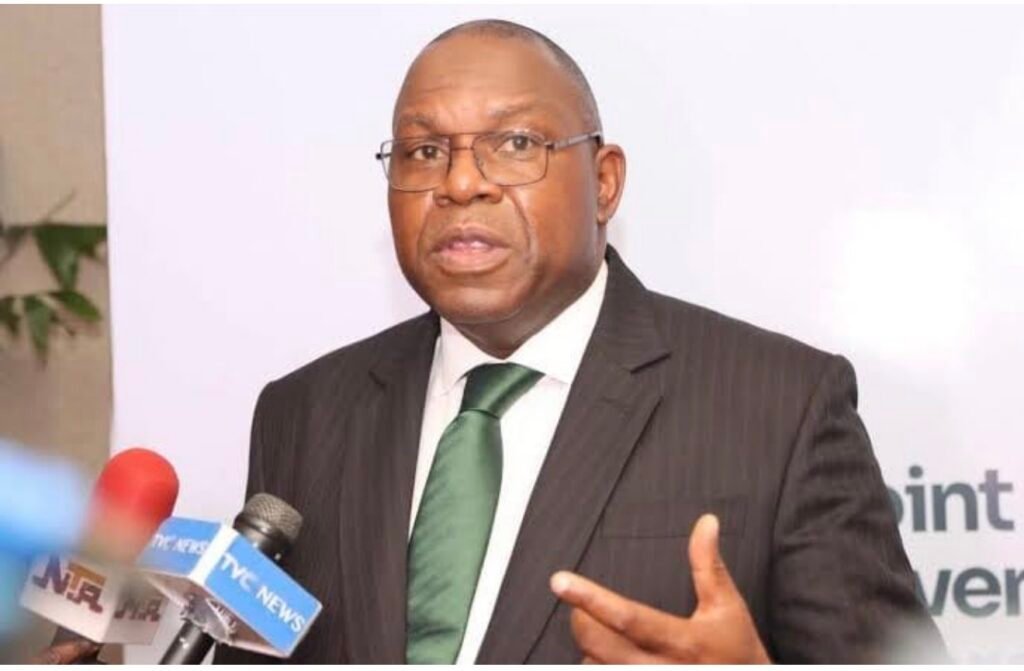
The Executive Secretary of the JRB, Mr Olusegun Adesokan, disclosed this during a press conference, explaining that the initiative was aimed at eliminating illegal revenue collection practices and creating a more transparent and harmonised tax system across the country.
Adesokan said the Harmonised Taxes and Levies Law had abolished and criminalised the mounting of roadblocks for revenue collection, stressing that the reform was designed to remove unauthorised actors from Nigeria’s revenue system.
He disclosed that 21 states had domesticated the model Harmonised Taxes and Levies Law, while the Board was working with the Nigeria Police Force, state governments and the Federal Capital Territory Internal Revenue Service to ensure effective enforcement.
The JRB also announced that the number of recognised tax and levy categories at the sub-national level had been reduced from more than 100 to nine under the harmonisation framework.
The approved categories include income tax, stamp duties, property tax, road tax, haulage levy, economic development levy, harmonised levy, user charge and daily ticket.
As part of the reforms, the Board had also prohibited the sale of stickers and emblems nationwide, a measure expected to ease the burden on motorists and businesses transporting goods across state boundaries.
According to the Board, the removal of multiple and irrelevant documentation requirements would help reduce transportation costs and contribute to lower prices of agricultural produce.
The JRB further emphasised that the new framework would not tolerate illegal roadblocks or cash-based revenue collection, adding that collaboration with the Nigeria Police Force was ongoing to ensure compliance.
The Board said enforcement of the ban would commence soon, urging relevant authorities and stakeholders to support the implementation of the tax reforms.
The 21 states listed as having passed the model law include Kebbi, Kaduna, Zamfara, Ekiti, Enugu, Abia, Anambra, Gombe, Adamawa, Yobe, Borno, Niger, Plateau, Benue, Kogi, Kwara, Nasarawa, Akwa Ibom, Bayelsa, Delta and Ondo.