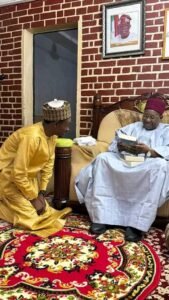

Yobe SOLID Project Engages 36 Displaced Communities in Gujba
The Yobe State Solutions for the Internally Displaced Persons and Host Communities (SOLID) Project team has engaged representatives of 36 displaced communities under Ambiya Tasha Village, Gujba Ward, Gujba Local Government Area, as part of preparations for the implementation of the project.
The engagement, which was also attended by traditional rulers from the affected communities, provided an opportunity for the representatives to share their experiences of displacement, priority needs and expectations for sustainable recovery.
The Communication and Information Officer of the project, Mr Ali Musa Yawale, disclosed this in a statement made available to newsmen on Tuesday in Damaturu.
Yawale said the communities had remained displaced since 2014, following the insurgency, stressing the need for interventions that would support their long-term recovery and reintegration.
He said the meeting was also aimed at strengthening engagement with displaced and host communities to ensure that proposed interventions reflected their actual needs and circumstances.
Gujba Ward, he said, posed a significant geographical and service-delivery challenge due to its large size and the dispersed nature of its communities.
He added that the ward comprised more than 30 polling units spread across a wide area.
According to him, the issues and priorities raised during the engagement would guide further assessments, planning and consultations with stakeholders as implementation of the SOLID Project progresses.
The Coordinator of the project, Mr Suleiman Dauda, commended Gov. Mai Mala Buni for his leadership and support toward the recovery and resettlement of communities affected by the insurgency.
Dauda said the state government’s commitment to the recovery and socio-economic reintegration of conflict-affected communities had created an enabling environment for the implementation of durable solutions for displaced persons and host communities.
He said the SOLID team would continue to engage affected communities and other stakeholders to ensure that project interventions were responsive to identified needs.