UNICEF Trains 68 Northern Journalists on Ethical Reporting of Children

By Ahmed Isah, Damaturu
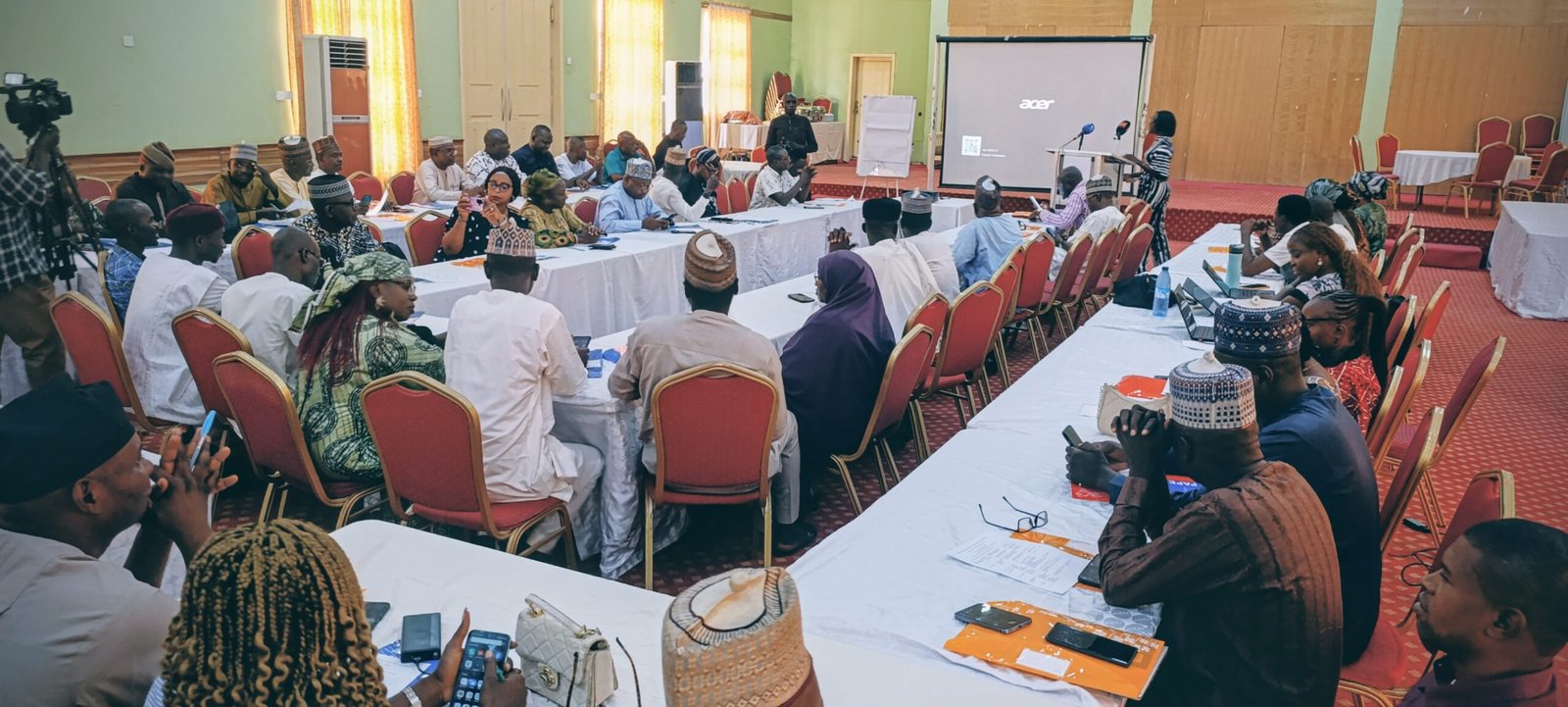
The United Nations Children’s Fund (UNICEF) has trained 68 journalists from the North-East and North Central zones on ethical reporting of children to promote responsible storytelling and safeguard child rights.
The two-day regional workshop, held from March 16 to March 17 in Gombe State, was organised in collaboration with the Federal Ministry of Information.
Speaking, UNICEF Communication Specialist, Sussan Akila, urged participants to uphold the highest ethical standards when reporting child-related issues.
Akila said journalism played a vital role in driving social and behavioural change, noting that editorial reporting required critical examination of information beyond mere repetition of statements.
“Ethical journalism begins from the footage captured in the field to the photographs selected and the headlines written,” she said.
She emphasised that responsible storytelling was crucial to protecting the dignity, safety and development of children.
“When journalists report responsibly, they protect children, build trust and help communities heal,” she added.
Also speaking, Mr Toye Falayi, Assistant Director, Child Rights Information Bureau (CRIB), Abuja, said the training aimed to strengthen ethical practices among journalists covering children’s issues.
Falayi said participants were equipped with skills in interviewing children, handling sensitive information and protecting sources.
He added that the workshop also focused on reporting child rights issues such as abuse, exploitation, education, health and the impact of conflict responsibly.
According to him, the media holds immense power to inform, inspire and hold institutions accountable, but must exercise such power with integrity, sensitivity and respect for human dignity.
He said the training would deepen understanding of ethical obligations and promote best practices that protect children’s identities while amplifying their voices responsibly.
In his remarks, Mr Nimesel Idewo, a media consultant, stressed that ethical reporting must prioritise the best interest of the child.
Idewo noted that although children constituted nearly half of Nigeria’s population, media coverage of their issues remained limited and often lacked ethical depth.
He warned that insensitive reporting could lead to re-traumatisation, stigma and long-term psychological harm, especially for children affected by conflict and abuse.
Idewo also highlighted challenges posed by digital media, noting that published content could have lasting consequences due to its permanent online presence.
He urged journalists to balance the public’s right to know with the need to protect children from harm, stressing that consent alone did not justify publication.
Similarly, Mr Jide Johnson, a facilitator from the Nigerian Institute of Journalism, Lagos, underscored the media’s role in shaping society and advancing child welfare.
Johnson said the media remained a critical institution for drawing attention to issues requiring the focus of policymakers and the public.
He described the media as the voice of the voiceless, capable of amplifying the concerns of vulnerable groups, particularly children.
According to him, sustained media engagement is essential to addressing children’s challenges and fostering a supportive environment for their development.
Dr. Geoffrey Njoku, a resource person, identified key challenges affecting children in Nigeria, including early marriage, human trafficking, rape and female genital mutilation (FGM).
Njoku also traced the development of child rights from the 1948 Universal Declaration of Human Rights to the 1989 United Nations Convention on the Rights of the Child, which Nigeria ratified in 1991.