Analyst Warns Against Religious Framing of Global Tensions, Urges Focus on Justice

By Ahmed Isah
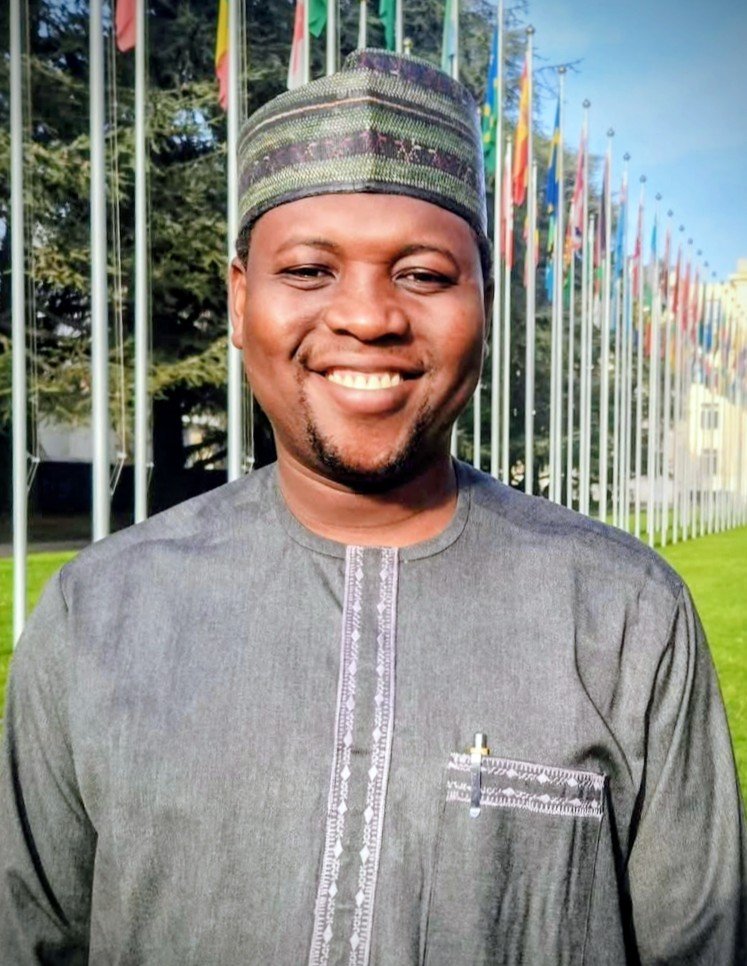
Bukar Mohammed Atiyaue, a humanitarian advocate of peace and good governance, change-maker and community development activist, has cautioned against framing rising tensions among Israel, Iran and the United States as a religious conflict, describing such narratives as misleading and divisive.
Atiyaue said public discourse had increasingly portrayed the situation as a clash between Islam and Judaism or Zionism, despite its roots in geopolitical interests, alliances and power dynamics.
He noted that reducing complex international crises to religious identities blurred the distinction between faith and political ideology, and risked worsening global divisions.
According to Atiyaue, justice, rather than identity or alignment, should guide responses to conflicts, stressing that moral clarity was often lost in highly polarised debates.
“Islam teaches fairness and justice, even when it challenges personal loyalties or assumptions,” he said, adding that such principles were critical to balanced global engagement.
Atiyaue observed that beyond political narratives, ordinary citizens remained the most affected, bearing the social and economic consequences of conflicts.
He explained that countries such as Nigeria were already experiencing indirect impacts, including rising fuel prices, increased transport costs and higher living expenses.
“These pressures force households to make difficult choices about basic needs, despite having no role in the decisions driving such conflicts,” he said.
Atiyaue further stated that modern conflicts rarely remained confined, as their effects spread through global economic systems, widening inequality and hardship.
He called on peacebuilders and policymakers to prioritise dialogue, prevention and justice over militarised responses to disputes.
According to him, redirecting even a fraction of global military spending toward education, governance and youth inclusion could significantly strengthen peacebuilding efforts.
“Peace is neither passive nor unrealistic; it is a deliberate and necessary choice that requires commitment and courage,” he said.
Atiyaue emphasised that achieving lasting peace would depend on prioritising humanity over power and justice over political alignment.