WaterAid urges gender-responsive WASH systems to tackle inequality in Nigeria

By Ahmed Ahmed
As Nigeria joins the global community to commemorate World Water Day 2026, WaterAid Nigeria has called for urgent adoption of gender-responsive water, sanitation, and hygiene (WASH) systems to address persistent gender inequality across the country.
In a statement issued on Tuesday in Bauchi by its Communications Officer, Zainab Mukhtar, the organisation urged government at all levels, development partners, the private sector, and communities to prioritise inclusive WASH services as a pathway to equality, dignity, and sustainable development.
The 2026 theme, “Water and Gender,” alongside the campaign slogan “Where Water Flows, Equality Grows,” highlights the critical link between access to safe water and sanitation and the well-being of women and girls.
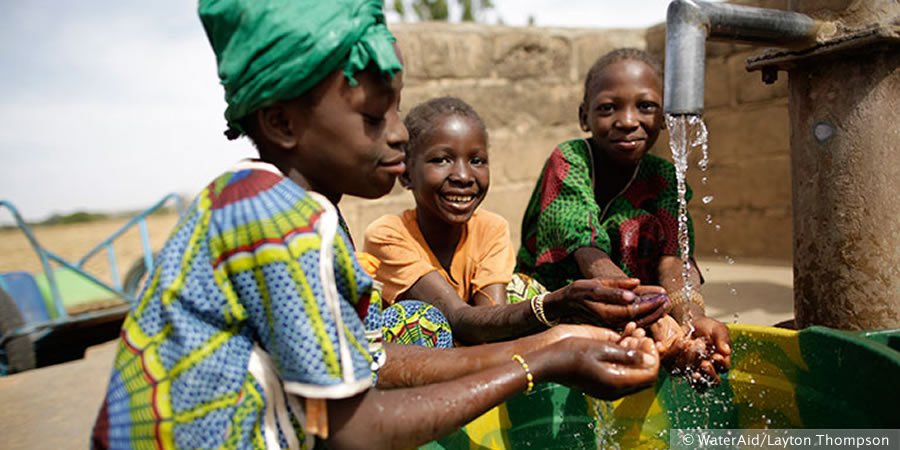
According to WaterAid, women and girls in Nigeria disproportionately bear the burden of inadequate WASH services. Many spend long hours fetching water, face health and safety risks due to poor sanitation, and lack facilities to manage menstruation with dignity.
“These challenges, the group noted, limit their access to education, economic opportunities, and overall well-being.
Country Director, Evelyn Mere, emphasised that water and sanitation are not gender-neutral issues, stressing that lack of access further deepens inequality and restricts opportunities for women and girls.
WaterAid Nigeria noted its continued collaboration with government and partners to integrate gender into WASH policies and infrastructure, including the construction of inclusive facilities in schools, healthcare centres, and public spaces.
The organisation called for increased investment in gender-responsive WASH services, swift completion of a gender-inclusive National WASH policy, and reforms to socio-cultural norms that place water collection burdens on women and girls.
It also advocated for greater female representation in decision-making within the water sector.
WaterAid urged stakeholders to translate commitments into action, ensuring no one especially women and girls is left behind.