
Expert urges conscience-driven voting ahead of 2027 elections

By Ahmed Isah
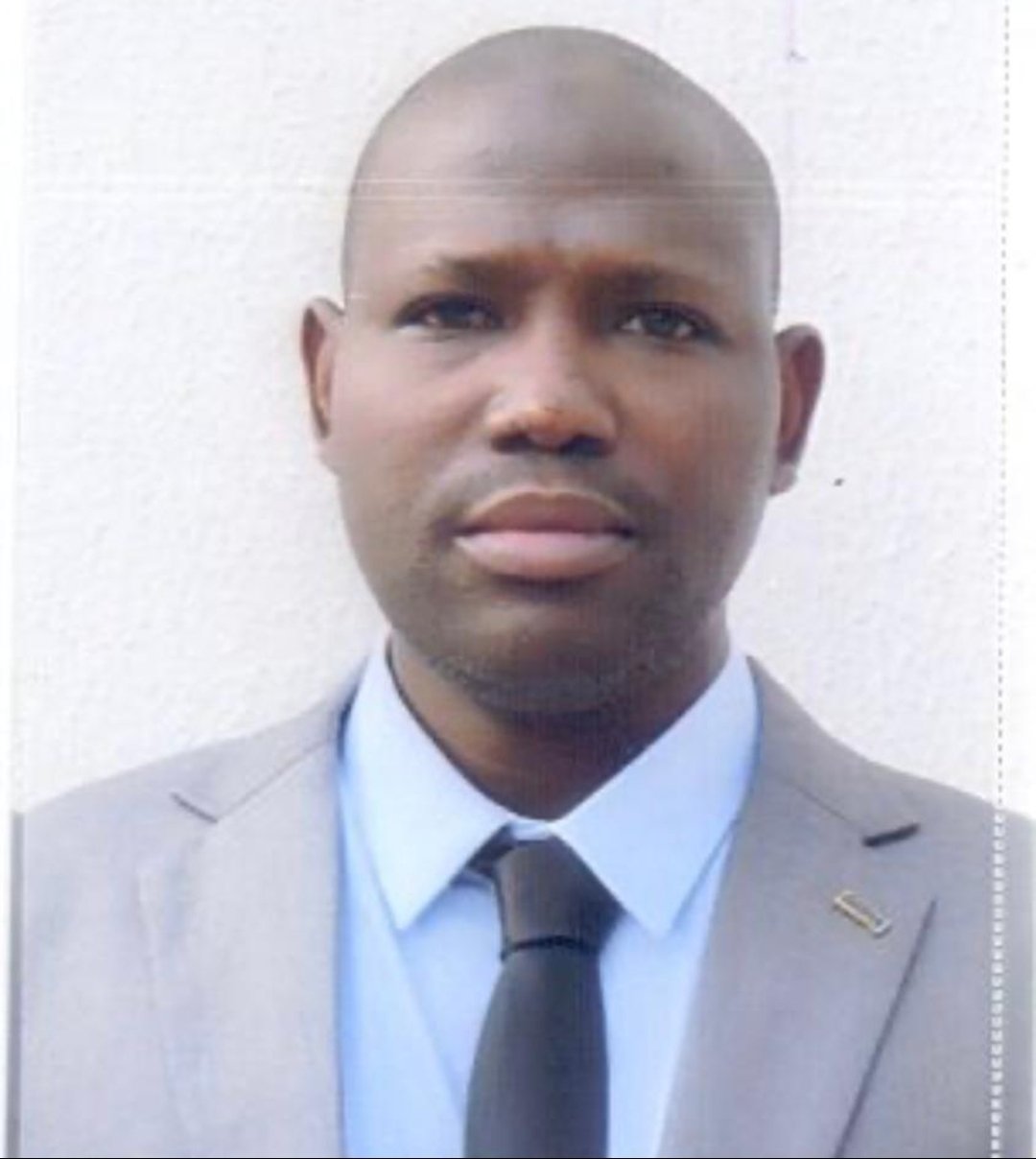
A human capital expert, Musa Mohammed, has urged Nigerians to prioritise conscience, integrity and competence when choosing leaders in the 2027 general elections.
Mohammed, a member of the Chartered Institute of Human Capital Development, made the call in an article titled “Choosing Right in 2027: A Call to Conscience for Every Voter”.
He said elections were defining moments that shape the future of society, stressing that voting should go beyond party loyalty and personal interests.
According to him, every vote contributes to either national progress or decline, depending on the quality of leadership elected.
Mohammed emphasised that voting carries a moral responsibility, urging citizens to reflect deeply on their choices and their long-term consequences.
He noted that leadership decisions influence policies, resource allocation and opportunities for future generations.
The expert advised voters to adopt a structured approach in assessing candidates, focusing on capacity, vision and track record.
He cautioned against being swayed by rhetoric, sentiments or temporary incentives, describing leadership as too critical to be treated as an experiment.
Mohammed identified human capital development as a key indicator of effective leadership, stressing the need for investment in education, healthcare and skills.
He said such investments were essential for sustainable development, particularly in states facing socio-economic challenges.
He also highlighted the importance of strengthening social services, including access to healthcare, education, water and sanitation.
According to him, credible leaders must provide practical and inclusive solutions to improve citizens’ quality of life.
On infrastructure, Mohammed said projects must be people-centred and impactful, rather than merely visible.
He urged voters to assess whether infrastructure initiatives address real community needs and are properly maintained.
The expert further stressed the role of the private sector in job creation, calling for policies that encourage entrepreneurship and investment.
He said leaders must create an enabling environment through fair taxation, access to finance and supportive regulations.
Mohammed underscored the importance of integrity, transparency and accountability in leadership.
He advised voters to examine candidates’ past records and responsiveness to public scrutiny.
He also called for inclusive governance, urging leaders to ensure equitable distribution of resources and representation of diverse groups.
Mohammed described youths as a decisive force in elections, noting that they constitute a significant proportion of the population.
He urged young people to reject vote-buying and political inducement, and to engage actively in civic processes.
The expert added that civic responsibility should extend beyond elections to continuous engagement and accountability.
Mohammed called for a shift from transactional politics to transformational leadership driven by competence and vision.
He said the responsibility for better governance rests not only on leaders but also on the electorate.
According to him, the future of Nigeria will be shaped by the collective choices of its citizens at the ballot box.