

Brighter Futures in Yobe: How NEDC Is Strengthening Basic Education

By Suleiman Muhammed Jinjiri
In recent months, I have witnessed a quiet but impactful transformation unfolding across public schools in Yobe State. This transformation is driven by the sustained interventions of the North East Development Commission (NEDC) in partnership with the Yobe State Government, particularly in the area of basic education.
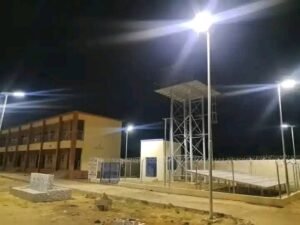
As a teacher at Mega School, Geidam, I can attest firsthand to the difference these interventions have made. The installation of solar-powered boreholes and solar streetlights in Mega and Model Schools across the state has fundamentally improved the learning environment for both students and teachers.
Schools in Damaturu, Potiskum, Gashua, Geidam, Buni Yadi and Nguru, among others, are now enjoying reliable access to clean drinking water and electricity. For many of these schools, this is the first time such basic amenities have been consistently available.

The impact goes beyond infrastructure. Regular water supply has significantly improved sanitation and hygiene, particularly for female students. Attendance has increased, learning has become more consistent, and the general morale within schools has risen. In my own school, water is now available in classrooms and toilets throughout the day, creating a healthier and more dignified environment for learning.
Security has also improved. The solar streetlights installed within school premises have enhanced safety, beautified the environment and extended productive school activities, especially during early mornings and evenings.
Beyond infrastructure, NEDC has invested in human capacity development. Earlier this year, the commission organised a teacher training programme focused on modern teaching methods and professional development. About 1,200 teachers benefited, and I am proud to be one of them. The skills acquired during this training are already yielding visible results in classrooms, improving lesson delivery and student participation.
The provision of learning materials such as marker boards, teaching accessories, school bags and exercise books has further strengthened the quality of education in beneficiary schools. These resources, though often taken for granted, make a significant difference in daily teaching and learning.
Another notable milestone is the completion and handover of the NEDC Mega School at Ari Kime, Potiskum. The facility stands as a symbol of what is possible when post-conflict recovery efforts are matched with vision and commitment to the future of children in the North East.

What stands out most to me is that the NEDC is not working in isolation. Rather, it is complementing the efforts of the Yobe State Government by aligning its interventions with state education priorities through the Ministry of Basic and Secondary Education and the State Universal Basic Education Board. This coordinated approach enhances sustainability and long-term impact.
The challenges facing education in Yobe State remain enormous. However, initiatives like these give hope that progress, though gradual, is achievable. I sincerely commend Gov. Mai Mala Buni and the leadership of the North East Development Commission for their partnership and unwavering commitment to improving education outcomes.
With continued collaboration and sustained investment, the story of education in Yobe State will keep getting better, gradually but surely.
