
Foundation urges religious leaders to intensify polio vaccination awareness
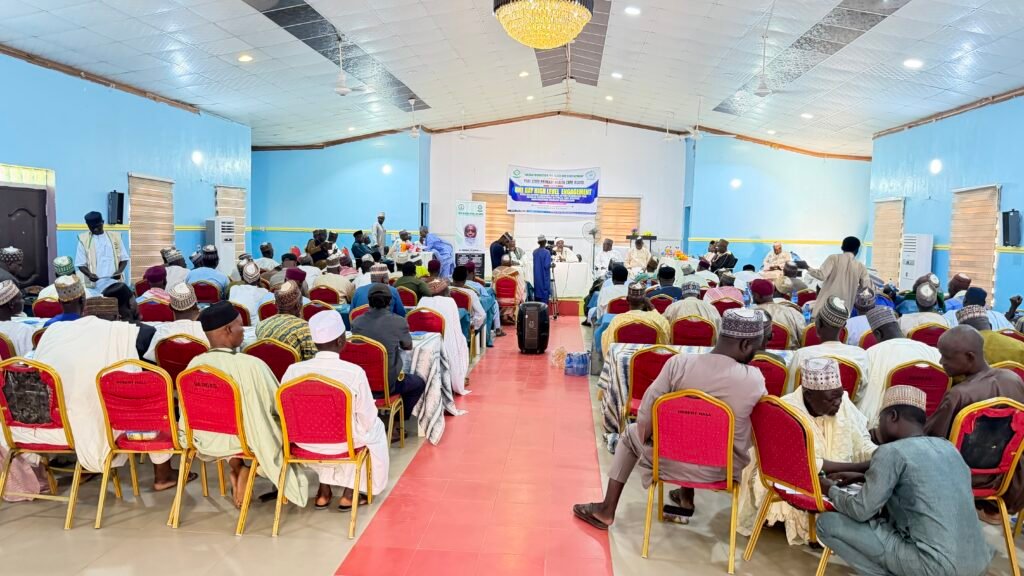
The Sultan Foundation for Peace and Development has urged religious leaders in Yobe to intensify public awareness campaigns on polio vaccination and routine immunisation to protect children against vaccine-preventable diseases.
Malam Aminu Danmalam, Programme Adviser of the foundation, made the call at a one-day high-level engagement with Christian and Muslim religious leaders on demand generation for polio and routine immunisation in Damaturu on Tuesday.
Danmalam said the engagement was organised to sensitise the religious leaders on current developments in polio eradication and equip them with accurate information to strengthen their ongoing efforts to educate their followers.
He urged them to use sermons, religious gatherings and other community platforms to encourage parents and caregivers to accept vaccination and cooperate with health workers during immunisation campaigns.
He said the engagement was particularly important ahead of the planned November Supplementary Immunisation Activities (SIA), aimed at strengthening efforts to curb the spread of circulating variant poliovirus in the state.
According to him, three local government areas in Yobe have been affected by the circulating variant poliovirus, requiring intensified community mobilisation to contain its spread.
Danmalam expressed satisfaction with the participation of Christian and Muslim clerics, describing their turnout and contributions to discussions as encouraging.
He said religious leaders remained important partners in the fight against polio because of their influence in shaping public attitudes and addressing misconceptions about vaccination.
Also speaking, Ahmed Mustapha, Programme Officer of the foundation in Yobe, said religious leaders were invited because of the trust their followers placed in them and their capacity to influence community acceptance of public health interventions.
Mustapha said the engagement was designed to strengthen their knowledge and collaboration with health authorities so they could intensify sensitisation on polio vaccination, routine immunisation and other primary healthcare services.
He explained that religious leaders had a critical role in promoting human development, particularly in health, education and other areas affecting community welfare.
In his remarks, Dr Umar Chiroma, who represented the Executive Secretary of the Yobe State Primary Healthcare Management Board, Dr Babagana Machina, said religious leaders were needed to help address the increasing cases of some vaccine-preventable diseases, including poliomyelitis, diphtheria and measles.
Chiroma urged the participants to intensify public enlightenment during their respective religious activities and encourage parents to take their children to health facilities for routine immunisation.
He also called on them to mobilise their followers to cooperate with house-to-house vaccination teams to ensure that eligible children received polio vaccines.
Chiroma said religious leaders could use relevant teachings from the Holy Quran and Bible to reinforce the importance of protecting children against preventable diseases.
Earlier, the Emir of Bade, Alhaji Abubakar Sulaiman, called on traditional rulers, Islamic scholars and other religious leaders to strengthen public awareness campaigns on vaccination.
The emir urged the participants to counter misinformation about vaccines and encourage parents to ensure that their children received recommended immunisations.
He said the involvement of traditional institutions and religious leaders had contributed significantly to Nigeria’s polio eradication efforts, recalling that their participation in vaccination campaigns had helped reduce reported cases from nearly 1,000 to fewer than 200 during an earlier phase of the programme.
Sulaiman dismissed claims that vaccines caused infertility, describing such allegations as propaganda capable of undermining public confidence in immunisation.
He urged imams, particularly those delivering Friday sermons, and Christian clerics to sustain and intensify the dissemination of accurate health information to their followers.
The emir stressed that sustained collaboration among government agencies, traditional institutions, religious leaders and development partners was essential to reaching communities where misconceptions and resistance continued to affect vaccination efforts.
He expressed optimism that stronger community participation and intensified public enlightenment would help address remaining challenges in the fight against polio and other vaccine-preventable diseases.