

Group advocates greater digital investment in women, girls in the North East
By Ahmed Kaigama
The Digital Literacy Working Group (DLWG) has called for increased digital literacy, skills development and technology-driven entrepreneurship in women and girls to bridge the digital divide in North East Nigeria.
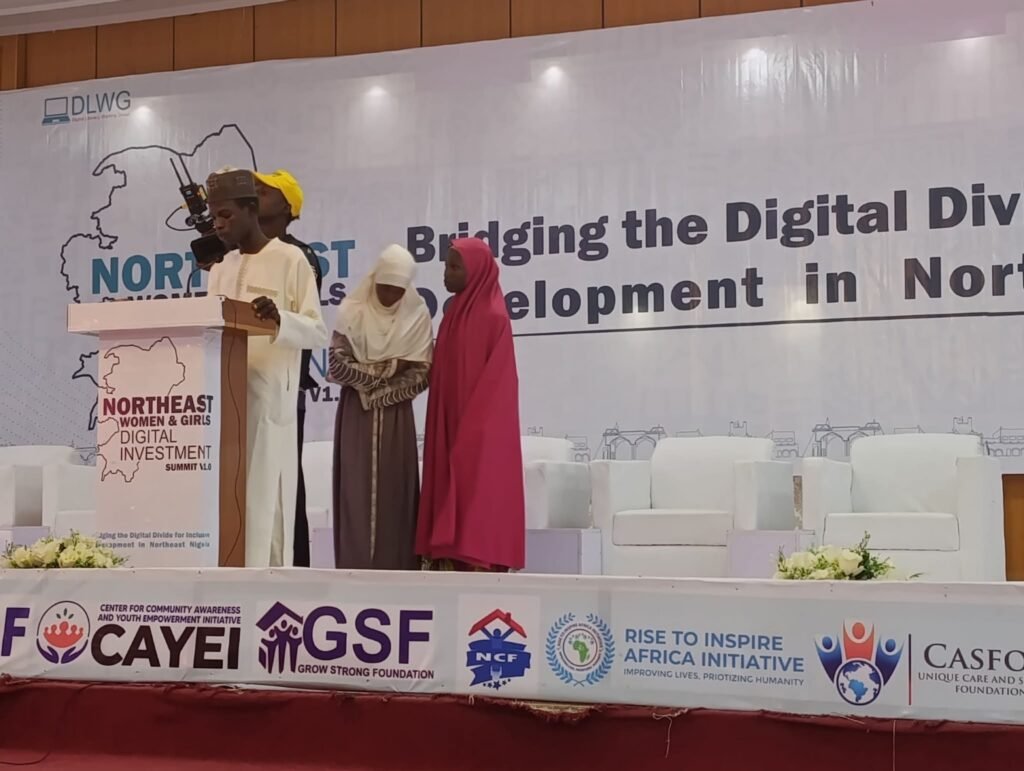
The Coordinator of DLWG, Mr Shaibu Ibrahim, made the call at the North East Women and Girls Digital Investment Summit, organised by the group on Tuesday in Maiduguri.
The summit had “Bridging the Digital Divide for Inclusive Development in Northeast Nigeria” as its theme.
Ibrahim said deliberate investment in women and girls would promote their economic empowerment and contribute significantly to the development of families, communities and the nation.
He stressed the need for stronger partnerships and coordinated efforts among stakeholders to address challenges confronting women and girls in accessing technology, acquiring relevant skills and exploring emerging career opportunities.
According to him, meaningful progress requires stakeholders to pool resources and strengthen partnerships aimed at expanding opportunities for women and girls in the digital space.
He urged stakeholders to promote digital literacy, support women-led businesses and innovations, and encourage more women and girls to pursue careers in technology.
The Borno Commissioner for Youth, Sports and Social Development, Alhaji Saina Buba, represented by the ministry’s Director, Mrs Ruth Bulus, said rapid technological transformation had made digital inclusion imperative.
Buba said “no one should be left behind as technology continues to reshape the future”, adding that targeted investments would help women and girls to overcome barriers in accessing digital opportunities.
He reaffirmed the state government’s commitment to promoting skills acquisition, digital inclusion and economic opportunities for women and young people.
In his presentation, the Guest Speaker, Dr Stephen Bassi of University of Maiduguri, identified digital literacy, access to technology and institutional support as critical pathways to empowering women and young people.
Bassi explained that digital literacy would equip beneficiaries with relevant knowledge and skills, while improved access to technology and supportive institutions would enable them to participate effectively in the digital economy.
He noted that technology had made education, business transactions and other services accessible remotely, reducing the need for physical movement, particularly for women, children and vulnerable groups.
The lecturer urged women and young people to overcome fear and misconceptions about technology and embrace online learning and other digital opportunities.
He stressed that effective partnerships among stakeholders were essential to ensuring inclusive access to digital skills, platforms and economic opportunities.
NAN