

Experts call for stronger State-level investment in children
By Ahmed Ahmed
Experts and stakeholders have called on governments of Adamawa, Bauchi, Borno, Gombe, Taraba and Yobe to strengthen investment in Early Childhood Development (ECD) to secure better outcomes for children and Nigeria’s future human capital.
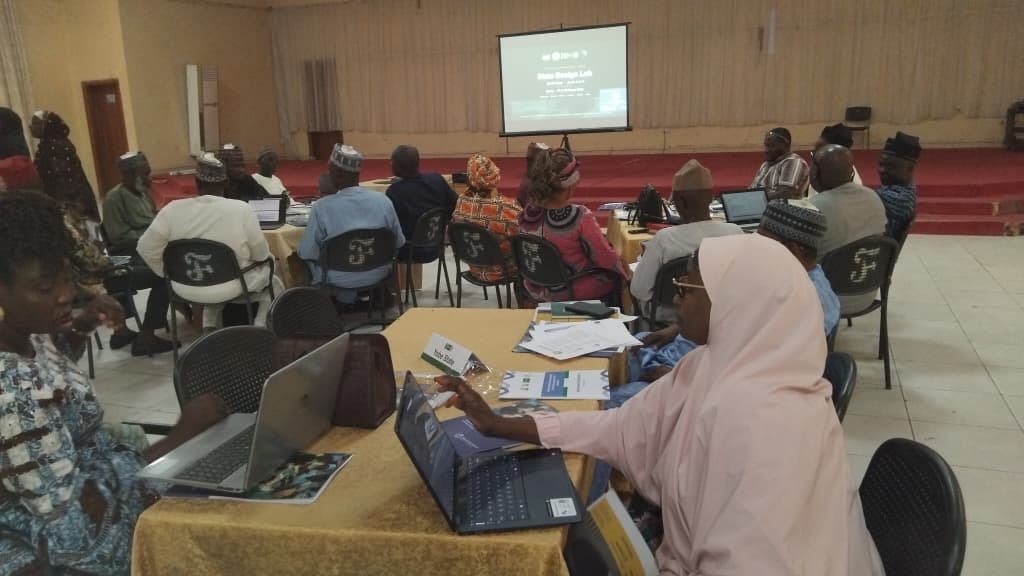
The call was made at a three-day North-East State Engagement on ECD held on Tuesday in Maiduguri, aimed at translating evidence and policy discussions into practical, state-owned action plans.
Dr Ado Muhammad, Country Focal Point, ECD Nigeria, represented by Mr Alademehin Oladipo of the Budget Office of the Federation said investment in the early years had already been proven to yield lasting benefits in child survival, nutrition, learning, productivity and future earnings.
He said the priority was now to determine how states could invest more effectively, coordinate interventions and ensure that resources produced measurable results for children.
Muhammad urged state delegations to examine available data, identify critical gaps, prioritise realistic interventions and determine how such interventions would be financed, delivered and monitored.
He stressed that ECD was a state-led agenda, with the national level providing technical support and coordination rather than imposing a uniform model on states.
Dr Abdulateef Shittu, Director-General of the Nigeria Governors’ Forum Secretariat, represented by Dr Yabalu Abacha, Pharmacists said the period from pregnancy to a child’s first five years was critical for establishing foundations for health, learning, cognitive development and future productivity.
He said the 36 state governors had, at their June 17, 2026 meeting, reaffirmed that investment in ECD was fundamental to improving health, nutrition, school readiness and human capital development.
Facilitator, Dr Megor Ikuenobe, said the first 2,000 days of a child’s life required adequate nutrition, good health, responsive caregiving, early learning and stimulation, as well as safety and security.
She urged stakeholders to develop Nigerian solutions based on local realities and ensure that ECD interventions reached children at ward, community and household levels.
“The engagement is expected to produce practical state-specific ECD plans covering financing, governance, accountability and implementation,” She said