
WHO Calls for Wider Access to HIV Services Across Africa
By Ali Mohammed Zanna, Maiduguri
The World Health Organization (WHO) has called on African governments and development partners to expand access to HIV prevention, testing and treatment services as part of efforts to end AIDS as a public health threat by 2030.
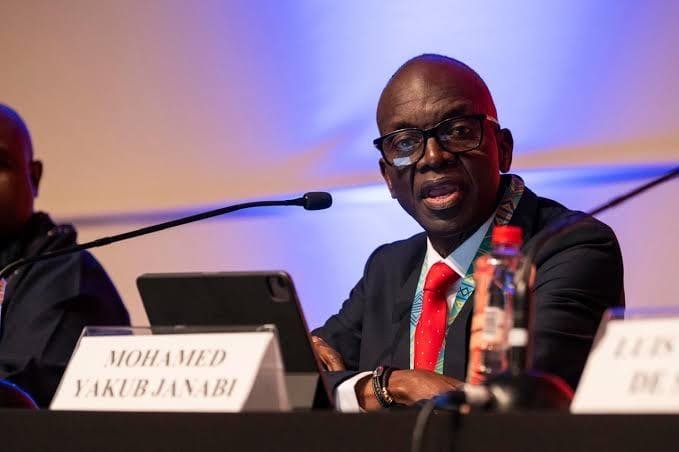
The WHO Regional Director for Africa, Dr Mohamed Janabi, made the appeal in his message marking the 2026 World AIDS Day, observed on December 1, with the theme: “Ending AIDS Starts with Access.”
Janabi said Africa had recorded significant progress in the fight against HIV over the past decades through stronger leadership, innovation and sustained commitment, resulting in millions of lives saved and a decline in new infections in several countries.
He disclosed that an estimated 26.3 million people were living with HIV across the WHO African Region in 2026, while approximately 21.7 million were receiving antiretroviral therapy.
Despite these achievements, he warned that significant gaps remained in ensuring equitable access to essential HIV services, particularly among underserved communities.
According to him, access to prevention services helps individuals protect themselves and their families, while testing enables people to know their HIV status and seek timely medical attention.
He added that consistent access to treatment allows people living with HIV to lead healthy and productive lives, stressing the importance of providing services without stigma or discrimination.
The WHO regional director identified high transportation costs, long distances to health facilities, shortages of medicines, discriminatory practices, punitive laws and gender inequalities as major obstacles preventing many people from accessing HIV services.
He noted that such barriers could result in undiagnosed infections, delayed treatment and missed opportunities to prevent further transmission.
Janabi said countries across the African Region were strengthening HIV programmes through community-based services, integration of HIV care into primary healthcare and the introduction of innovative prevention options.
He, however, stressed that these interventions must be made affordable and accessible to everyone, regardless of their location or economic circumstances.
Looking ahead to the 2030 target, he urged governments to sustain investments in HIV prevention, testing, treatment and care while removing barriers that discourage people from seeking medical assistance.
He also called on development partners to support countries in expanding access to emerging HIV prevention technologies and reaching communities that have traditionally been underserved.
Janabi further emphasised that people living with HIV must remain actively involved in decisions concerning the design and delivery of HIV services, noting that their experiences were essential to achieving meaningful progress.
He said the progress recorded so far demonstrated what could be achieved when communities and governments worked together to make lifesaving healthcare accessible to all.
He urged stakeholders to renew their commitment to the fight against HIV, saying that ensuring people receive timely diagnosis, effective treatment and appropriate prevention services would bring the world closer to ending AIDS as a public health threat.