FAO Training Ends with Call for Inclusive Disaster Response in Yobe
Persons with disabilities have called on communities and relevant authorities to prioritise their needs in disaster preparedness and response, saying they are often among the most vulnerable when emergencies occur.
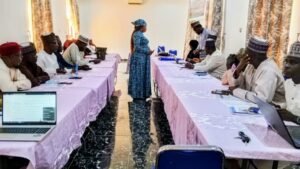
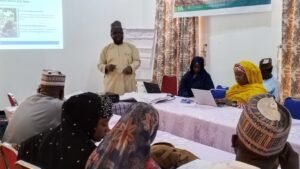
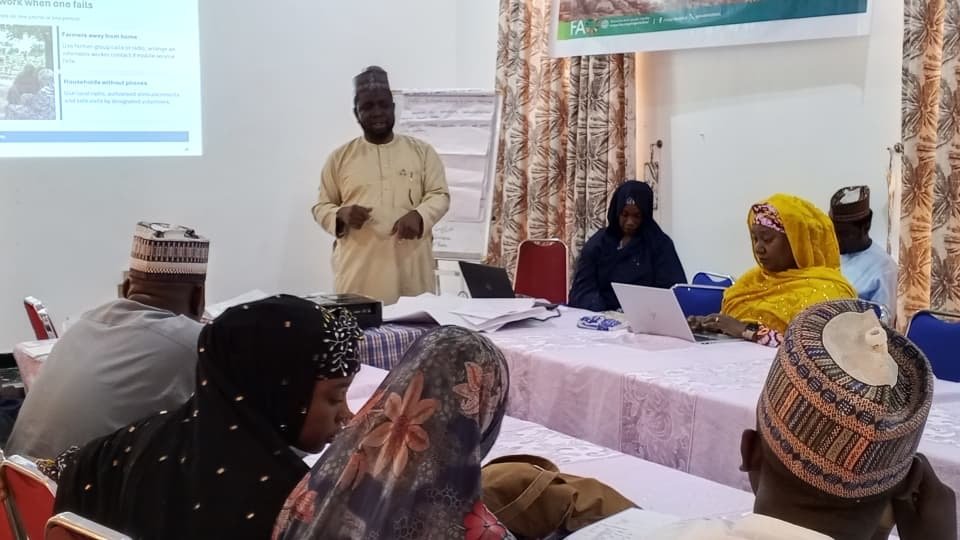
The call was made at the conclusion of a four-day capacity-building training on Disaster Risk Reduction (DRR), Early Warning Systems and Climate Risk Preparedness organised by the Food and Agriculture Organization of the United Nations (FAO) in collaboration with the Yobe State Government.
The training, supported by the Government of Belgium, brought together stakeholders from different sectors across the Northeast to strengthen coordination, improve disaster preparedness and promote inclusive responses to climate-related emergencies.
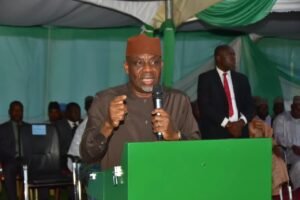
Speaking at the closing of the training, the Yobe State Chairman of the Joint National Association of Persons with Disabilities, Mr Yawudima Barma, said the programme had provided participants with practical knowledge, particularly in homestead gardening and climate-smart agricultural practices.
Barma said the initiative had demonstrated that persons with disabilities could contribute to food production when provided with appropriate support and accessible agricultural equipment.
He recalled that FAO had provided materials, including fertilisers, wheelbarrows and watering cans, to enable persons with disabilities to engage in farming activities.
He urged communities and emergency response agencies to consider the needs of persons with disabilities during disasters, noting that they often face additional difficulties in escaping danger and accessing assistance.
Similarly, the Deputy Director of Extension Services at the Agricultural Development Project (ADP), Hajiya Adama Gambo, described the training as timely, particularly for extension officers working directly with farmers affected by climate change.
She said the knowledge acquired would help extension officers guide farmers on appropriate agricultural practices in response to challenges such as drought and flooding.
Gambo urged participants to apply the lessons learnt in their respective communities to minimise the effects of disasters on agricultural production and food security.
The Director of Rescue Operations at the Yobe State Emergency Management Agency (SEMA) said effective disaster management required collaboration among government institutions, humanitarian organisations, agricultural agencies and community stakeholders.
He explained that disasters affected everyone irrespective of social status, making it necessary to adopt a coordinated approach that ensured no vulnerable group was left behind.
The director noted that SEMA served as the central coordinating agency, working with institutions such as the Nigerian Meteorological Agency (NiMet) to translate seasonal climate predictions into practical interventions.
He cited early warnings concerning rainfall patterns this year, which prompted SEMA to engage the ADP in sensitising farmers on drought-resistant and flood-tolerant crop varieties.
He also highlighted the roles of the Anticipatory Action Working Group and Climate Change Working Group, which coordinate more than 15 partners, including Ministries, Departments and Agencies, to strengthen preparedness and response mechanisms.
The director said bringing persons with disabilities into the training was particularly important in ensuring that disaster management strategies reflected the needs of all members of society.
The training is expected to improve stakeholders’ capacity to identify disaster risks, interpret early warnings, coordinate timely interventions and strengthen community resilience against climate-related emergencies across Yobe State and the Northeast.