
2026 APC Convention: Analyst Reflects on Buni’s Role in Party Growth
By Malam Ali Ibrahim Abbas
A political analyst has reflected on the role of Gov. Mai Mala Buni in the growth of the All Progressives Congress (APC) ahead of its 2026 national convention.
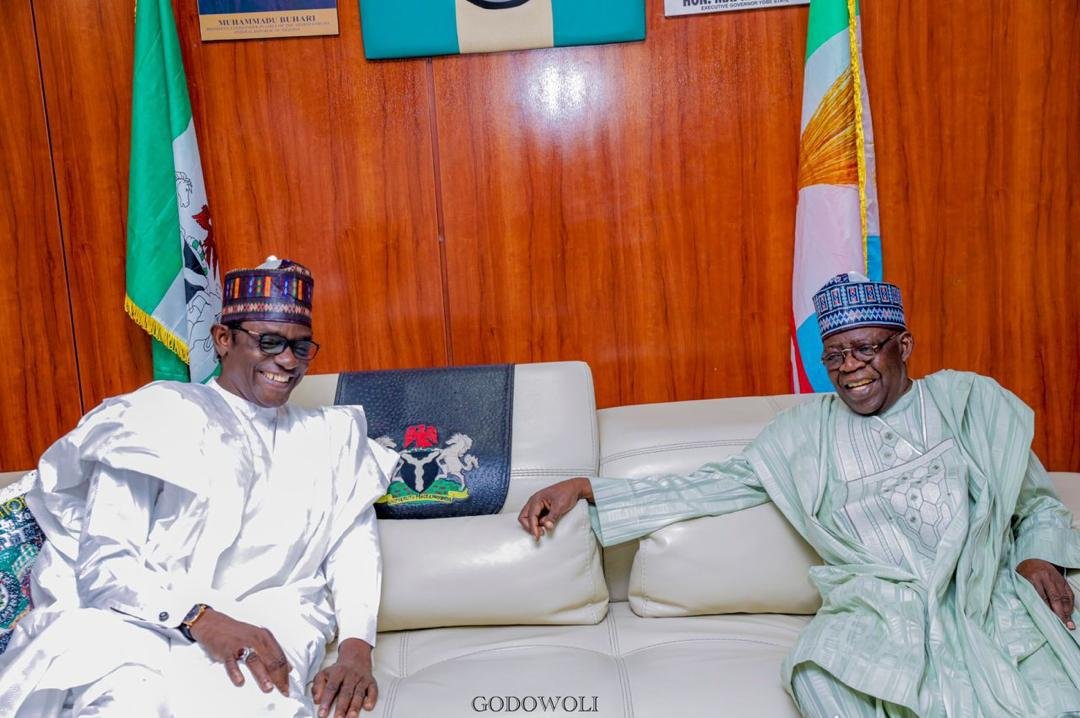
Prof. Ali Ibrahim Abbas, a political scientist, said Buni’s leadership trajectory positioned him as a central figure in the party’s evolution and consolidation.
Abbas, in a reflection made available to newsmen, recalled his April 5, 2022 article titled “Gov. Buni and CECPC Assignment: The Making of a Quintessential National Leadership Material”.
He cited a quote by William Shakespeare, noting that some leaders are born, achieve, or have greatness thrust upon them, describing Buni as fitting into the latter category.
According to him, Buni, who served as Chairman of the APC Caretaker Extraordinary Convention Planning Committee (CECPC), demonstrated capacity for leadership despite not being known for overt political ambition.
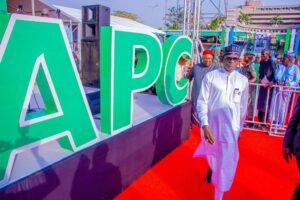
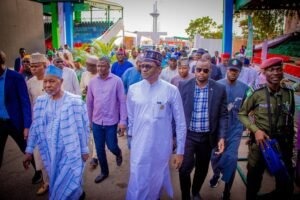
He added that Buni, as Secretary of the 2026 APC National Convention and Chairman of Reconciliation and Mobilisation, contributed to strengthening internal cohesion within the party.
Abbas said Buni’s tenure as CECPC chairman from June 2020 was marked by an inclusive reconciliation process that restored confidence among party stakeholders.
He said the process encouraged defectors to return and reinforced collective ownership of the party across various interest groups.
The analyst noted that the CECPC also organised a National Youth Summit and mobilised women and Persons Living with Disabilities for participation in party activities.
He described the initiatives as unprecedented in Nigeria’s political landscape, aimed at broadening inclusivity and participation.
Abbas said structural reforms under Buni decentralised party operations and created opportunities for grassroots actors, youths and women.
He added that the reforms strengthened internal party management and expanded engagement at lower levels of governance.
On membership drive, Abbas said the APC recorded significant growth through registration and revalidation exercises conducted during Buni’s leadership.
He said the exercise increased membership from about 11 million to over 41 million, positioning the APC as one of the largest political parties in Africa.
Abbas also highlighted the influx of political office holders into the party during the period, including governors and legislators.
He said the development enhanced the party’s electoral strength and national spread.
According to him, Buni also promoted institutional frameworks such as the Tripartite Consultation Forum involving the party, legislature and executive.
He said the forum improved coordination, trust and collaboration among key governance actors.
Abbas stressed the need for sustained reconciliation and inclusive strategies to maintain party unity and long-term stability.
He added that party infrastructure, including the APC national secretariat, should be strengthened to support modern political operations.
The analyst described Buni as a “bridge builder” with the capacity to manage both crises and success within complex political environments.
He said Buni’s contributions to party administration had reshaped internal dynamics and enhanced organisational resilience.
Abbas said Buni’s political experience across multiple levels underscored his relevance in Nigeria’s political landscape.
He concluded that Buni’s role in the APC’s growth and stability would remain significant in the party’s future trajectory.