
World Mental Health Day: ICRC Calls for Better Psychiatric Care
By Ali Mohammed Zanna, Maiduguri
The International Committee of the Red Cross (ICRC), in collaboration with the University of Maiduguri Teaching Hospital (UMTH), has called for increased investment in mental health services, as part of efforts to address the shortage of specialised personnel and improve access to psychological support in Nigeria.
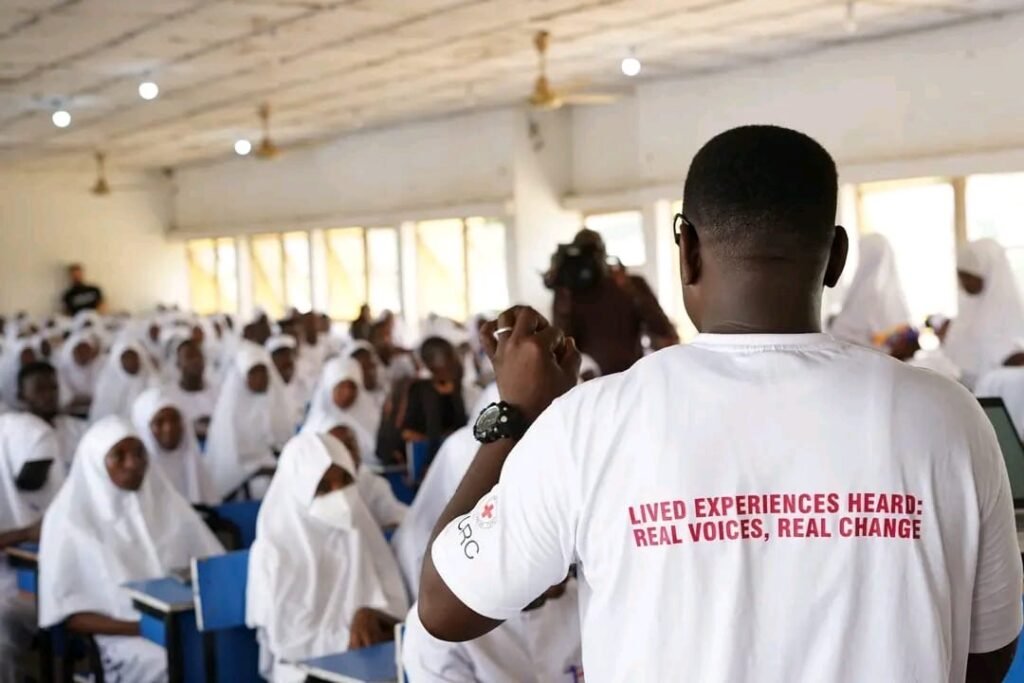
The call was made during a World Mental Health Day lecture and awareness session organised for student nurses, midwives and lecturers at the College of Nursing and Midwifery in Maiduguri, Borno State.
The programme featured discussions on mental health awareness, psychological and psychosocial support, and the role of healthcare professionals in identifying and assisting people experiencing emotional distress.
The event was held ahead of World Mental Health Day, observed annually on October 10, with this year’s theme, “Lived Experiences Heard: Real Voices, Real Change.” The theme emphasises the importance of listening to people with lived experience of mental health conditions and involving them in decisions affecting their care and wellbeing.
Speaking during the awareness session, Rhoda Musa Butu, a trained psychiatric nurse and focal person at UMTH, identified inadequate funding and a shortage of psychiatric nurses and psychiatrists as major challenges affecting mental healthcare delivery in the country.
Butu said increased investment in specialised training, workshops and seminars was necessary to strengthen the capacity of healthcare workers to respond effectively to the mental health needs of the population.
She also called for more affordable mental health education for nurses, social welfare officers and other frontline healthcare workers, particularly those serving rural and underserved communities.
According to her, engaging student nurses and midwives was important because of their potential to promote mental health awareness and provide early support to people experiencing psychological difficulties.
She noted that healthcare students could use their clinical postings and interactions with members of the public to challenge misconceptions about mental health, encourage people to seek professional assistance and help reduce the stigma associated with mental health conditions.
The awareness session also examined common myths and facts about mental health, the importance of prevention and early intervention, and the responsibilities of nurses in providing compassionate care.
Participants were introduced to the principles of Mental Health and Psychosocial Support (MHPSS), including recognising signs of emotional distress, listening to people in need and directing them to appropriate healthcare services.
The ICRC highlighted the importance of mental health support for people affected by armed conflict and violence, including displaced persons and families of missing persons, who may experience prolonged emotional distress.
The organisation has continued to support mental health and psychosocial services for communities affected by conflict in northeastern Nigeria, where years of insecurity have created significant humanitarian and psychological needs.
The programme also underscored the importance of preparing future healthcare professionals to recognise that mental wellbeing is an essential part of overall health and recovery.
With the 2026 global theme emphasising lived experiences, the commemoration calls for more than raising awareness. It encourages healthcare institutions and policymakers to ensure that people experiencing mental health challenges have opportunities to influence the services and decisions that affect their lives.
The ICRC and UMTH initiative is part of broader efforts to improve access to psychological support and encourage a more informed, compassionate approach to mental healthcare in the region.
The organisers stressed the need for sustained investment in mental health services, stronger healthcare capacity and greater public awareness to ensure that people experiencing psychological distress receive appropriate and timely support.