

El Niño Floods Threaten Millions With Hunger in Somalia — ICRC
By Ali Mohammed Zanna, Maiduguri
Millions of people in Somalia are at risk of worsening hunger and displacement as climate experts warn of potential severe flooding linked to an anticipated El Niño event between October and December.
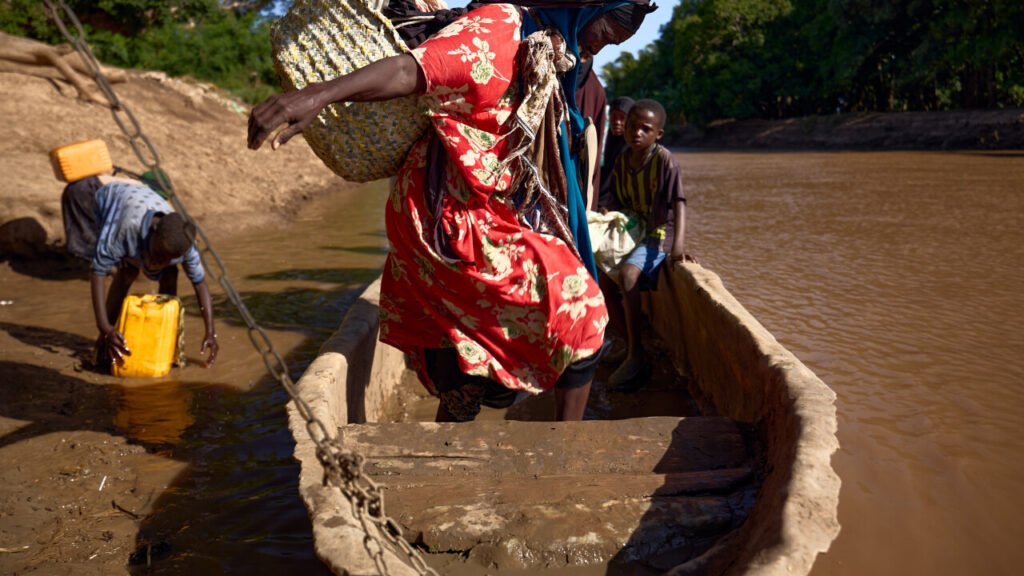
The International Committee of the Red Cross (ICRC) said farmers and displaced families were among those facing the greatest risks, particularly communities living along the Shabelle and Juba rivers, where rising waters could destroy farmland, homes and other essential assets.
In Bayahaaw village, near Jowhar in central Somalia, farmers are struggling to decide whether to plant crops and risk losing them to floods or leave their fields uncultivated and face food shortages in the coming year.
A farmer and community leader, Nuh Adan, warned that flooding caused by a breach of riverbanks could disrupt agricultural activities for months.
He said previous floods had destroyed maize crops shortly before they were ready for harvest, leaving farming families with significant losses.
According to the ICRC, Somalia experienced severe flooding in 2023 that affected nearly two million people and displaced more than 500,000.
The latest Integrated Food Security Phase Classification analysis also warns that above-normal rainfall and flooding could worsen food insecurity across the country.
The agency said the anticipated rains could further expose the estimated 3.3 million people living in informal displacement settlements to difficult living conditions.
Many displaced families live in makeshift shelters constructed from sticks, pieces of cloth and iron sheets, often without adequate access to clean water and sanitation.
A 59-year-old resident of Ceeynu Nasri displacement camp in Jowhar, Kamillo Muse, expressed concern over the anticipated rainfall, saying families in the camps were particularly vulnerable to flooding.
She warned that even people living in permanent houses could be forced to flee if the rains caused widespread flooding.
Meanwhile, humanitarian agencies are stepping up preparations to reduce the impact of possible flooding, drawing lessons from the 2023 disaster.
However, the ICRC said humanitarian response capacity had declined because of substantial funding cuts affecting relief operations.
The head of the ICRC in Somalia, Antoine Grand, said improved preparedness and access to better data were among the gains made since the 2023 floods, but warned that reduced funding and operational capacity remained major challenges.
As part of its preparations, the ICRC, working with the Somali Red Crescent Society (SRCS), is distributing sandbags and positioning essential relief supplies in flood-prone areas.
The supplies include tarpaulins, mosquito nets and hygiene items, while supported health facilities are being stocked with medical and nutrition supplies to help maintain essential services during emergencies.
The agency also said Red Crescent volunteers in Kismayo, Bardere, Jowhar and Beletweyne had received boat-handling training to strengthen their capacity to respond to flood emergencies.
The preparations are aimed at helping vulnerable communities withstand the potential impact of flooding as humanitarian agencies work to limit further displacement, food shortages and disruption of essential services.### El Niño Floods Threaten Millions With Hunger in Somalia — ICRC
By Ali Mohammed Zanna, Maiduguri
Millions of people in Somalia are at risk of worsening hunger and displacement as climate experts warn of potential severe flooding linked to an anticipated El Niño event between October and December.
The International Committee of the Red Cross (ICRC) said farmers and displaced families were among those facing the greatest risks, particularly communities living along the Shabelle and Juba rivers, where rising waters could destroy farmland, homes and other essential assets.
In Bayahaaw village, near Jowhar in central Somalia, farmers are struggling to decide whether to plant crops and risk losing them to floods or leave their fields uncultivated and face food shortages in the coming year.
A farmer and community leader, Nuh Adan, warned that flooding caused by a breach of riverbanks could disrupt agricultural activities for months.
He said previous floods had destroyed maize crops shortly before they were ready for harvest, leaving farming families with significant losses.
According to the ICRC, Somalia experienced severe flooding in 2023 that affected nearly two million people and displaced more than 500,000.
The latest Integrated Food Security Phase Classification analysis also warns that above-normal rainfall and flooding could worsen food insecurity across the country.
The agency said the anticipated rains could further expose the estimated 3.3 million people living in informal displacement settlements to difficult living conditions.
Many displaced families live in makeshift shelters constructed from sticks, pieces of cloth and iron sheets, often without adequate access to clean water and sanitation.
A 59-year-old resident of Ceeynu Nasri displacement camp in Jowhar, Kamillo Muse, expressed concern over the anticipated rainfall, saying families in the camps were particularly vulnerable to flooding.
She warned that even people living in permanent houses could be forced to flee if the rains caused widespread flooding.
Meanwhile, humanitarian agencies are stepping up preparations to reduce the impact of possible flooding, drawing lessons from the 2023 disaster.
However, the ICRC said humanitarian response capacity had declined because of substantial funding cuts affecting relief operations.
The head of the ICRC in Somalia, Antoine Grand, said improved preparedness and access to better data were among the gains made since the 2023 floods, but warned that reduced funding and operational capacity remained major challenges.
As part of its preparations, the ICRC, working with the Somali Red Crescent Society (SRCS), is distributing sandbags and positioning essential relief supplies in flood-prone areas.
The supplies include tarpaulins, mosquito nets and hygiene items, while supported health facilities are being stocked with medical and nutrition supplies to help maintain essential services during emergencies.
The agency also said Red Crescent volunteers in Kismayo, Bardere, Jowhar and Beletweyne had received boat-handling training to strengthen their capacity to respond to flood emergencies.
The preparations are aimed at helping vulnerable communities withstand the potential impact of flooding as humanitarian agencies work to limit further displacement, food shortages and disruption of essential services.