
Yobe, UNDP Move to Improve Sanitation, Empower Waste Collectors in Damaturu
By Ahmed Isah
Informal waste collectors in Damaturu say they are hopeful that a new partnership between the Yobe State Government and the United Nations Development Programme (UNDP) will improve sanitation in the state capital while also boosting their livelihoods.
For years, many of the collectors have relied on hand-pushed carts to move through neighbourhoods, gathering household waste under often difficult and physically demanding conditions. While the work helps keep the city clean, it has also limited how much waste they can collect and how efficiently they can operate.
The new initiative aims to change that by introducing a more structured and modern waste management system that includes the gradual replacement of pushcarts with electric waste collection tricycles. The plan is designed to improve efficiency while also supporting the economic wellbeing of those already working in the sector.
The intervention is part of UNDP’s Japan-funded project titled “Accelerating Recovery of Affected Communities from Security and Humanitarian Crises in Northeast,” and was highlighted during a Consultative Stakeholder Workshop on Enhancing Waste Management Capacities in Yobe.
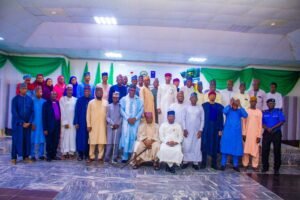
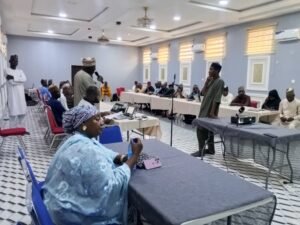
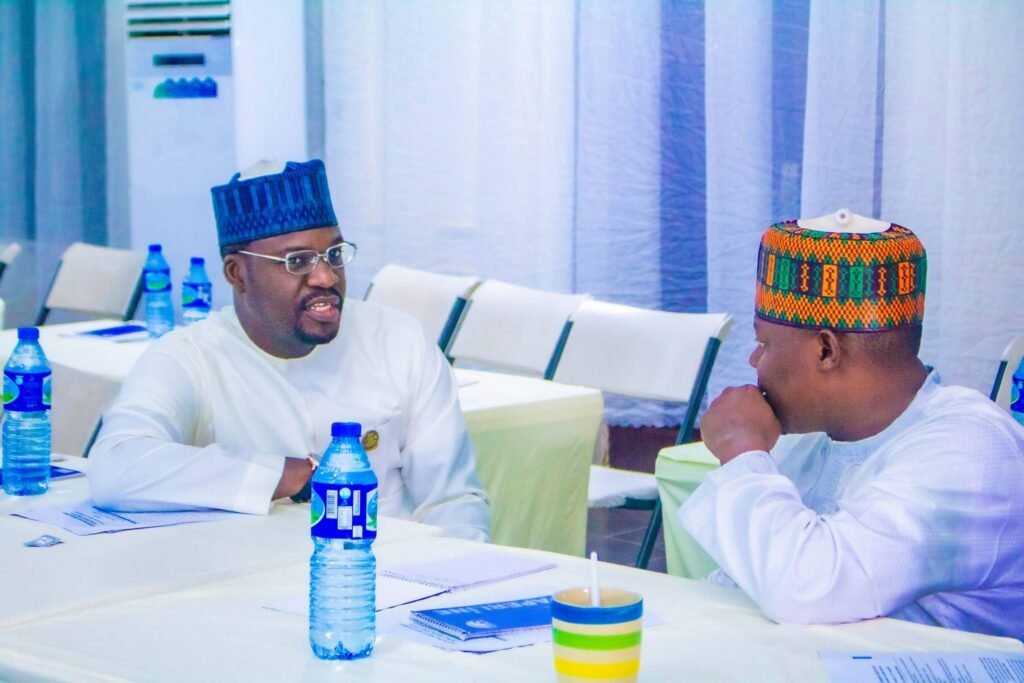
The workshop, held in Damaturu, brought together government officials, development partners, traditional and religious leaders, and other stakeholders to review existing waste management challenges and explore sustainable solutions.
Speaking at the event, Ismail Bunkar of UNDP said the project is expected to strengthen both sanitation systems and the livelihoods of informal waste collectors through improved tools and expanded service delivery.
He explained that the introduction of doorstep waste collection would make it easier for residents to dispose of waste properly while also increasing the efficiency of collection services.
“This initiative is designed to improve sanitation outcomes while also empowering informal waste collectors with better equipment and more sustainable means of livelihood,” he said.
The programme will also include public awareness campaigns aimed at encouraging residents to adopt improved waste disposal habits and support cleaner communities.
Declaring the workshop open, the Secretary to the Yobe State Government, Dr Mohammed Goje, emphasised the importance of effective waste management in protecting public health and maintaining environmental cleanliness across Damaturu.
A key part of the workshop was the presentation of findings from an assessment of the Enhanced Integrated Waste Management System in Damaturu by the Coordinator of the Yobe Solutions for Internally Displaced Persons and Host Communities (SOLID) Project, Alhaji Suleiman Dauda.
The assessment provided detailed insights into the current waste management system and identified gaps that need to be addressed to improve service delivery in the state capital.
Stakeholders at the workshop noted that the findings would help guide the implementation of the new initiative and ensure that interventions are based on evidence and local realities.
For many informal waste collectors, the proposed transition from manual pushcarts to electric tricycles represents not only improved working conditions but also the possibility of higher income and greater dignity in their work.
The partnership between Yobe State and UNDP is therefore expected to deliver a dual impact—improving sanitation in Damaturu while empowering those who play a critical role in keeping the city clean.