
Bauchi inaugurates SOLID steering committee to address displacement
By Ahmed Ahmed
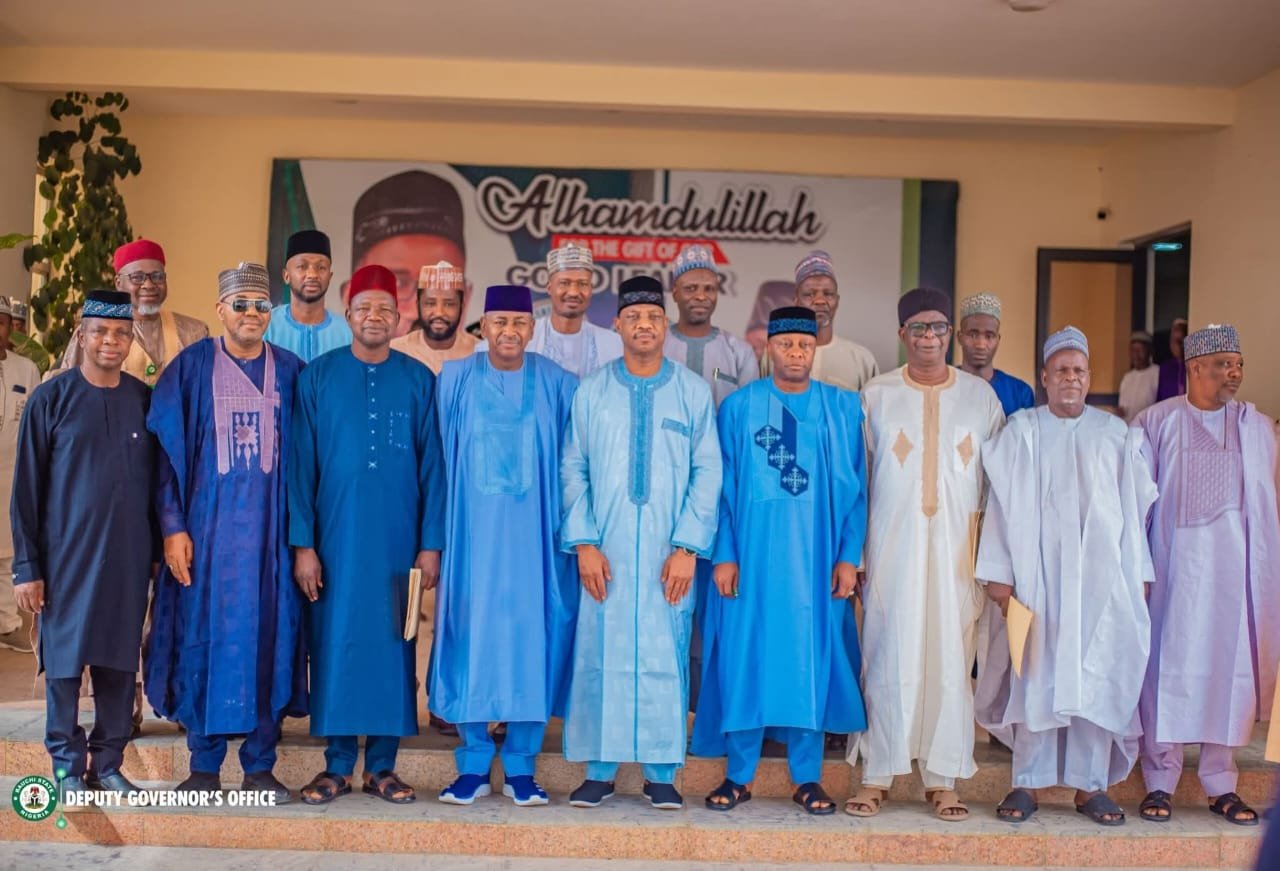
The Bauchi State Government has inaugurated a steering committee for the Solutions for Internally Displaced Persons and Host Communities (SOLID) Project.
The Deputy Governor said at the inauguration in Bauchi that the initiative would address displacement and improve the welfare of affected populations.
He described the event as a demonstration of government’s commitment to ensuring that internally displaced persons (IDPs) and host communities were included in the state’s development agenda.
According to him, the project is aimed at restoring dignity, rebuilding livelihoods and providing sustainable solutions for citizens affected by conflict and climate-related displacement.
He said Bauchi, like other states in the North-East, had experienced displacement, which exerted pressure on healthcare, education, water supply and agriculture, as well as host communities’ resources.
The deputy governor explained that the World Bank-supported SOLID Project was a long-term development intervention designed to address root causes of vulnerability and promote inclusive growth.
He said the committee would serve as the highest decision-making body for the project in the state, ensuring coordination, policy alignment and accountability.
According to him, members of the committee include commissioners, representatives of traditional institutions and internally displaced persons.
He urged IDP representatives to participate actively in decision-making and hold stakeholders accountable to community needs.
The deputy governor also tasked the committee on strategic alignment, inter-agency coordination, transparency and sustainability.
Earlier, the State Project Coordinator, Dr Abdulsamad Abubakar, said the initiative would enhance access to infrastructure, education and healthcare, and promote livelihood opportunities.
Abubakar added that the project would strengthen government capacity to respond to displacement challenges.
He said the five-year programme would begin in the most affected areas, with possible expansion based on needs and impact assessments.